
Letter Archive
Welcome to the letter archive page for the weekly "Letter from Ireland". We started to write these letters in 2013 covering Irish Genealogy & Family History, Irish Surnames, Irish Culture & Customs and Ireland Travel, here you'll find a link to all of them.
Browse the letters listed on this page and jump to one that interests you, or enter a placename, surname or other item in the search box below to see related letters.
All of our weekly letters to date
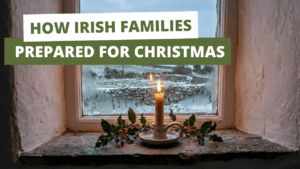
Irish Christmas traditions from the 1800s: whitewashing homes, Advent fasting, holly decorations, and the Christmas candle that lit up the countryside.
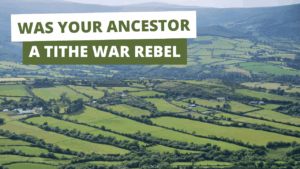
The Tithe War (1830-1838) saw Irish families resist forced payments to the Church of Ireland. Learn what really happened and find your ancestors in the records.
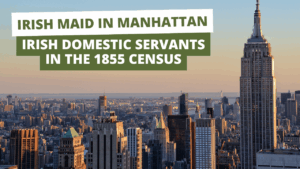
Explore the lives of Irish domestic servants through the story of Bridget Murphy. Discover the history of the ‘Bridget’ stereotype and the 1855 NY Census.
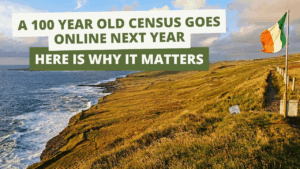
You may already have heard the news: the 1926 Irish census is scheduled for release in April 2026. For anyone tracing Irish roots, this is something special.
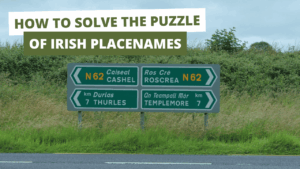
Do you know the stories hidden behind Irish placenames and their meanings? Join me as we explore some of the most common Irish placenames and what they mean.

In this week’s letter, I share the story of an “American Wake” – so called because it was the “celebration” held the night before a young person emigrated to America. This particular American Wake is for my great-granduncle, Patrick Collins.

If you’ve explored Irish family history, you’ve likely come across the word townland. But what is an Irish townland and how do you find it?

Long before it became the commercial holiday we see today, Halloween in Ireland was Samhain, and in the spirit of this season, I’d like to share how we Irish honour our ancestors during this time.

This week, I’m excited to share another chapter from my upcoming book. I share an imagined conversation with my great-great grandmother and an Irish family eviction.

The Irish Civil and Land Records are valuable resources for Irish genealogy research. But to understand their significance, we need to step back to 1864.